
Every few years, marketing gets a new machine to explain.
I have been the person who makes each one make sense to a marketing team, then the person who builds with it. Scroll the waves: what the industry called it, what I made, and what it taught me.
Some people call this creative technologist work.
made the marketing for the machinebuilt the machine
| year | made the marketing | built it |
|---|---|---|
| 2015 | 33 | 0 |
| 2016 | 81 | 0 |
| 2017 | 32 | 0 |
| 2018 | 25 | 0 |
| 2019 | 16 | 0 |
| 2020 | 7 | 0 |
| 2021 | 0 | 0 |
| 2022 | 9 | 0 |
| 2023 | 2 | 0 |
| 2024 | 1 | 2 |
| 2025 | 0 | 0 |
| 2026 | 0 | 14 |
-
Social became a channel you could measure.
What the industry called it: “social listening”
Earlier, I worked on social listening at NM Incite, the Nielsen and McKinsey venture, while brands were learning that a conversation could be counted.
-
I edited a magazine that explained ad tech to the people buying it.
What the industry called it: “real-time bidding”
At Chango I made the marketing for programmatic advertising: The Programmatic Mind, a quarterly print magazine for CMOs, executive bylines and custom magazines for prospects. I did not build the bidding engine; I made it make sense.
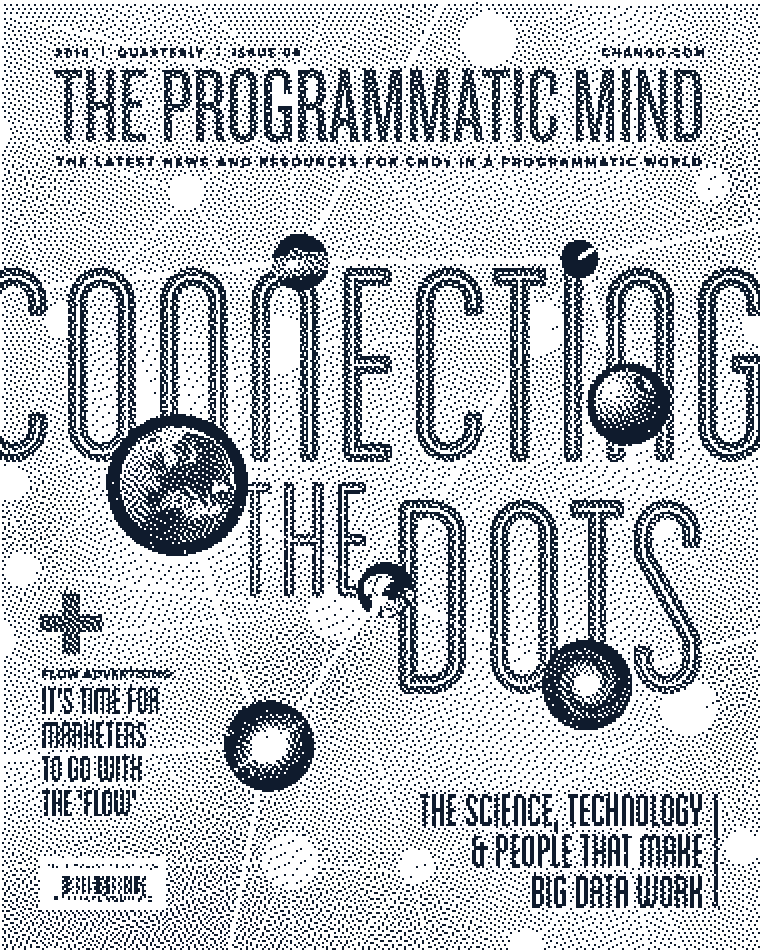
The Programmatic Mind, the Q1 2014 cover. Dithered from an archive scan. 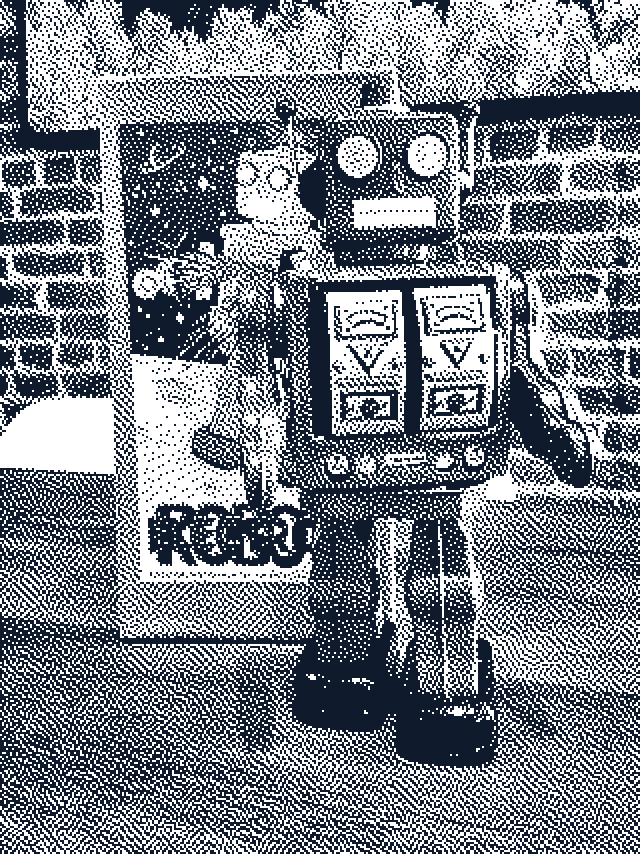
A Chango mailer: a wind-up robot and a printed box, 2013. Dithered from an archive photo. Issue 08 masthead-credited Editor-in-Chief of The Programmatic Mind. Source: the magazine's masthead, Q1 2015
Explain it to your grandma first. The CMO will be grateful too. source
Chango ledger, “How to Explain Programmatic Video to Your Grandma”
Put the prospect's name on the cover. Then it is a letter, not a brochure. source
Chango ledger, custom prospect magazines with personalised covers
On file: The Programmatic Mind · Editor-in-Chief, Issue 08
-
I ran the editorial side of a brand studio inside a newsroom.
What the industry called it: “sponsored content”
At Adweek BrandShare I was editorial and creative lead on 140 sponsored programs and pieces for brand clients, 24 under my byline. One of those clients was GumGum, a computer-vision company. A year later I worked there.
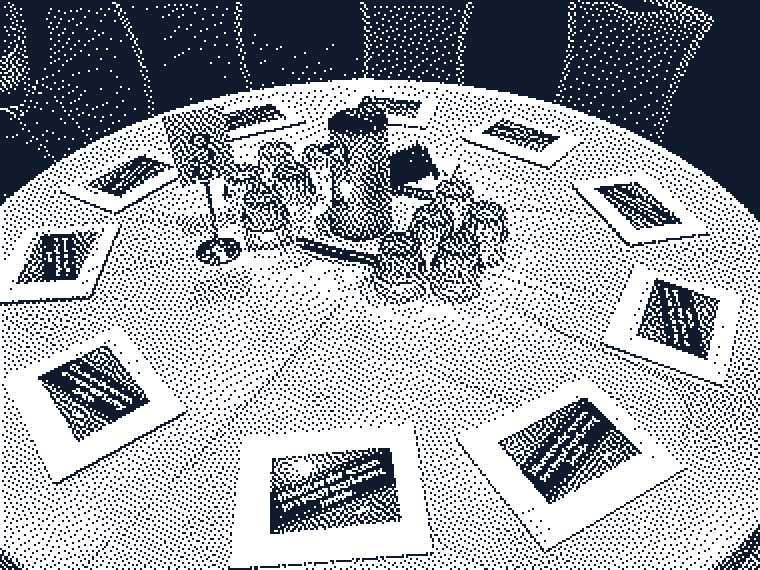
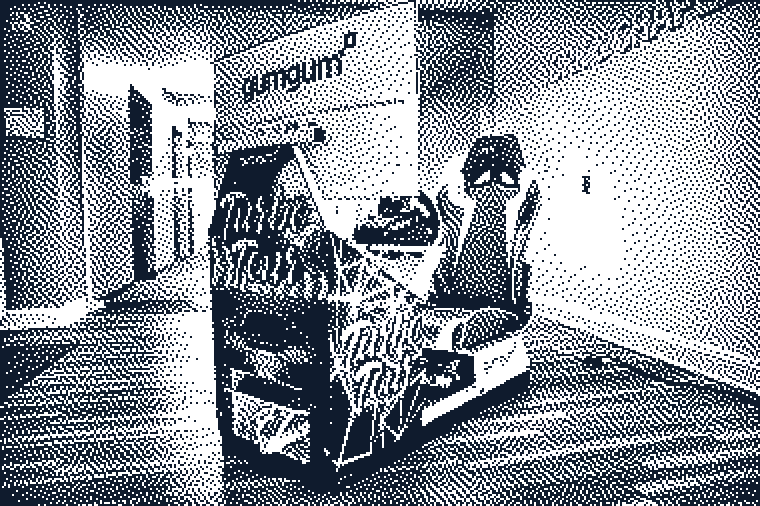
Printed BrandShare guides at each seat of an event table, 2016. The sponsor was GumGum. Dithered from an archive photo. 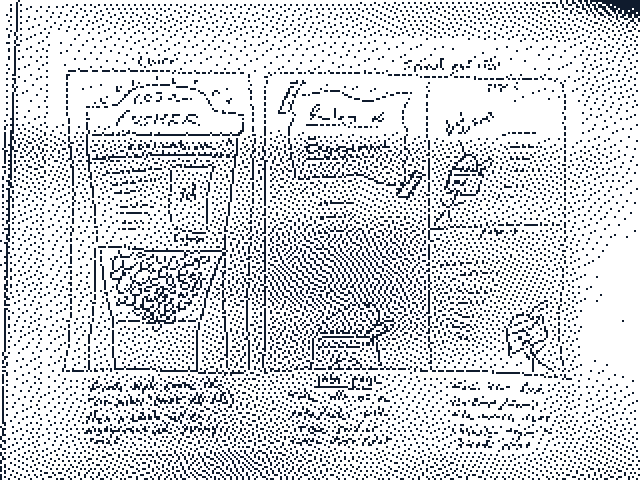
A pencil thumbnail for a guide cover and first spread, 2016. Dithered from an archive scan. 11.5× Adweek's page-view benchmark, on a survey piece I wrote for Odyssey. Source: Adweek BrandShare campaign report, 2016
Every draft passed four sets of hands before a client saw it. That is the quality bar. source
Adweek ledger, the draft chain (writer, my edit, a second pass, copy edit, client)
Ask the audience first. My survey piece ran 11.5 times Adweek's traffic benchmark. source
Adweek ledger row adweek-051; POSITIONING R15
On file: Odyssey piece, 11.5× · 140 programs
-
I made a machine's eyes into things buyers could play with.
What the industry called it: “what's computer vision?”
At GumGum, as Senior Creative Producer, I made the brand and launch creative around computer vision: an AI-art Turing test, a racing-simulator arcade that toured ad agencies, and The Visionary, an editorial site and newsletter. The technology was GumGum's; the reasons to care were my job.
Turbo Tour, the racing-simulator cabinet that toured ad agencies, 2018. An outside agency built the game and cabinet. Dithered from an archive photo. 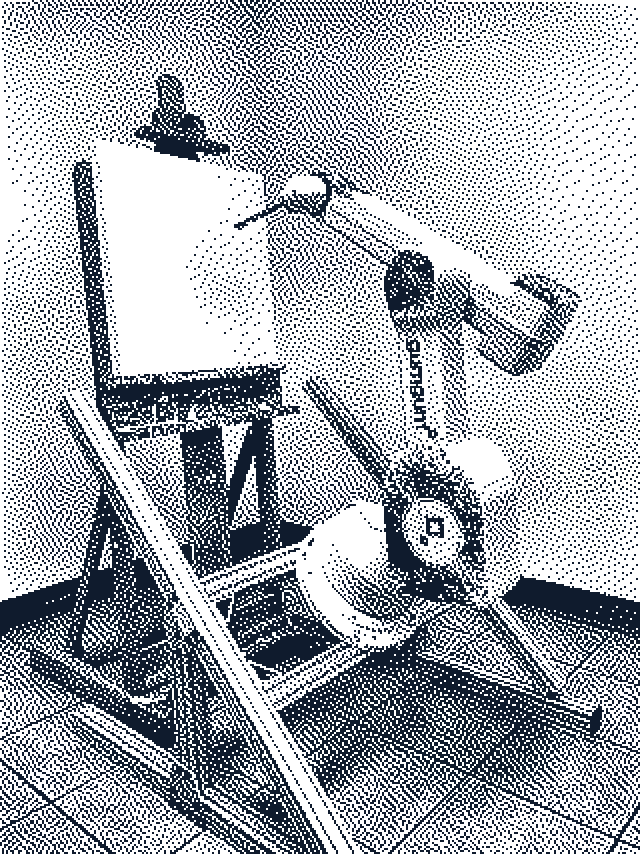
Art.ificial: the robot painter in its GumGum wrap, before the first stroke, 2018. Robot and code: Pindar Van Arman's CloudPainter. Dithered from an archive photo. $25K → $300K+ influenced revenue from a $25K arcade tour, plus $85K in pipeline. Source: GumGum case study (credits me as creative)
Make the demo a game. A $25K arcade tour influenced $300K+ in revenue. source
GumGum ledger row gumgum-003; POSITIONING R5
Don't explain the AI. Let people play against it. Art.ificial won two awards that way. source
GumGum ledger row gumgum-002; POSITIONING R18 (the artists made the art)
On file: The Visionary · Turbo Tour · Art.ificial
-
I opened a creative shop, then sold calm in a nervous category.
What the industry called it: “content, ABM, web3”
In 2020 I opened Bry's Bodega, a freelance creative practice for B2B tech and media clients. From 2022 to 2023 I was Creative Director at Dibbs, full-time, taking a collectibles marketplace into tokenization; the regulation explainer became a 26-page comic.
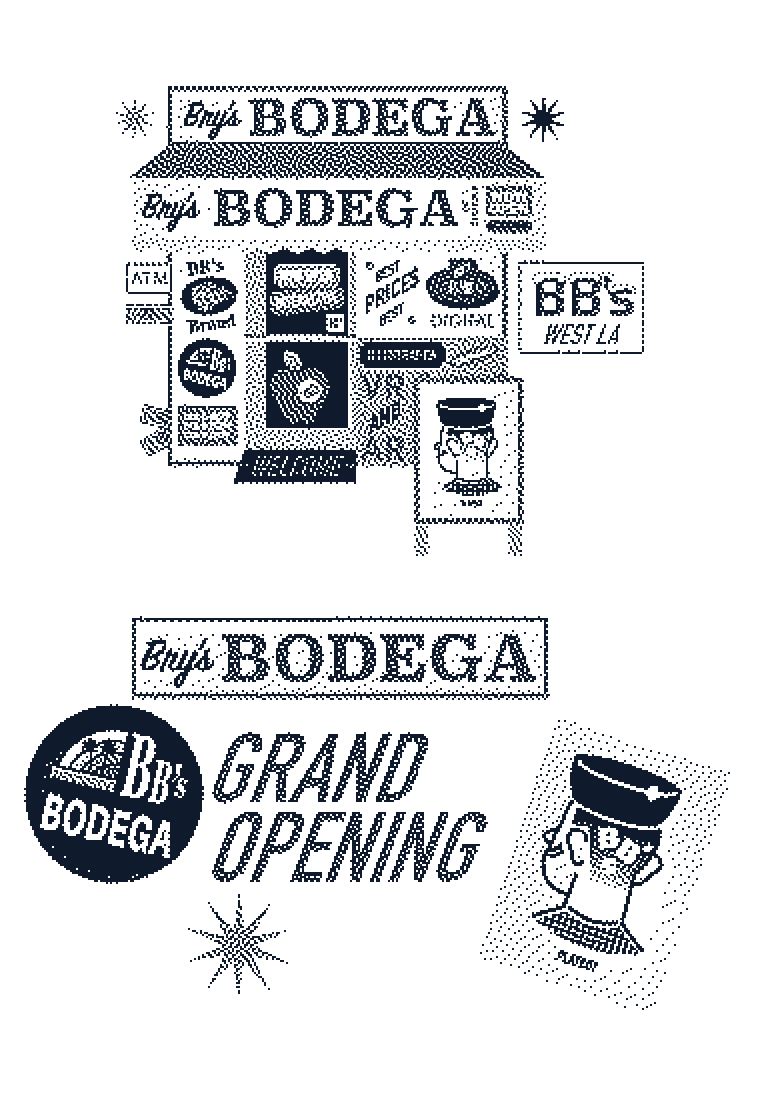
Bry's Bodega signage, 2020: a creative practice sold like a corner store. Dithered from the archive artwork. 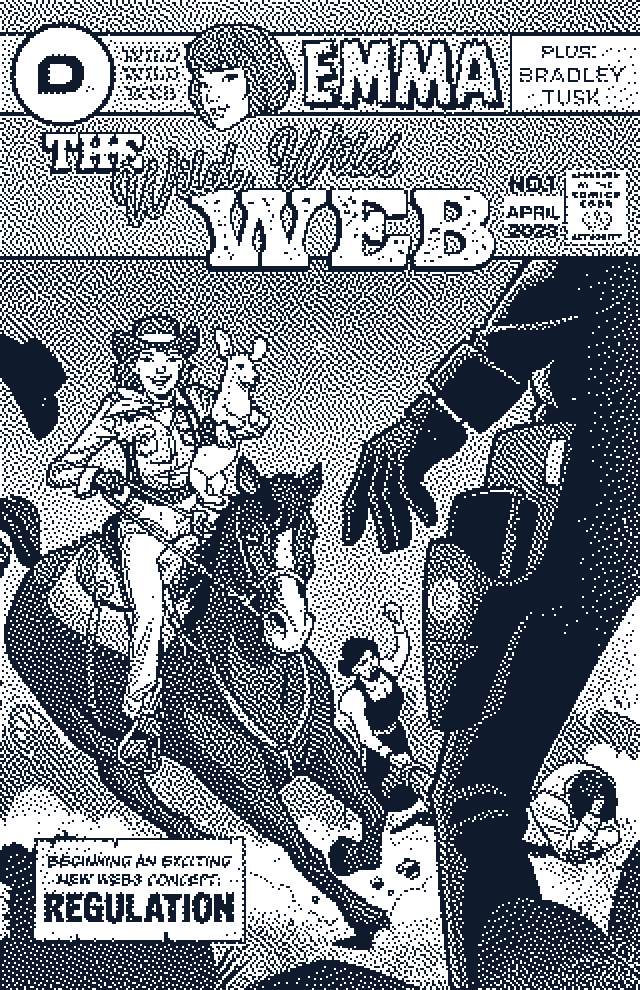
“The Wild, Wild Web”, issue 1, April 2023, for Dibbs. Dithered from the archive cover. 26 pages “The Wild, Wild Web”, a comic on web3 regulation, credited to me on Dibbs' blog. Source: POSITIONING R20
Leave the client a process, not just a deliverable. In 2020 I called it BYOB(odega). source
Bry's Bodega 2020 site plan, “Build Your Own Bodega”
In a nervous category, sell calm first. My notes for Dibbs said “Anxious → Relaxed.” source
Dibbs ledger, positioning route “Cool, Calm, Regulated”
Give the driest topic the friendliest format. Web3 regulation became a 26-page comic. source
Dibbs ledger; POSITIONING R20
On file: Bry's Bodega · Dibbs · The Wild, Wild Web
-
Now I build the machines myself.
What the industry called it: “AI workflows, agents”
Since 2024 I design, direct and verify AI-built systems: YesterYears, a memorial-film pipeline in family pilots; a church's weekly site and Sunday broadcast from one upload; a claims proof of concept for a regional insurance company; and mrwilson, my independent practice.
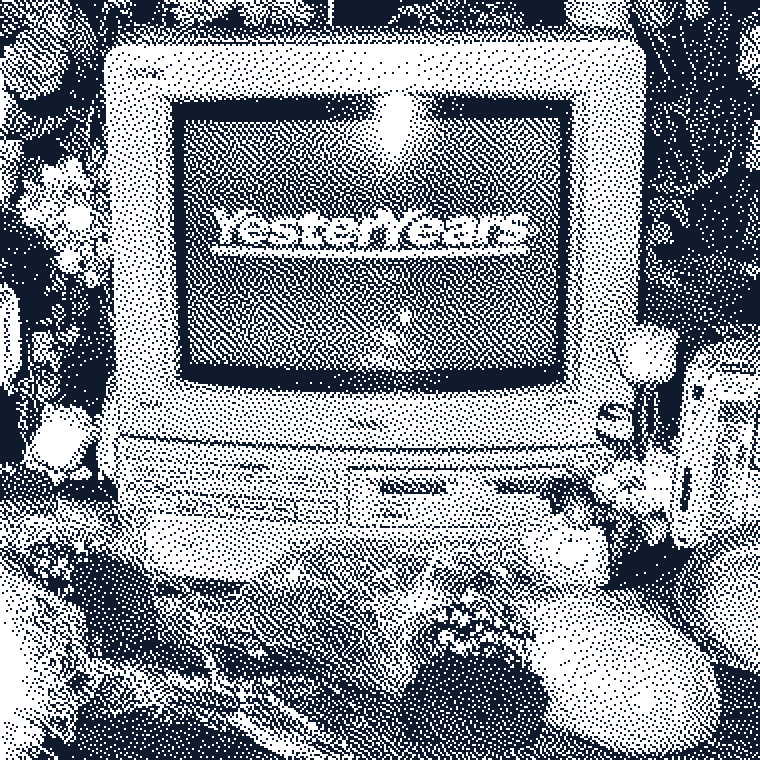
YesterYears brand art: the wordmark on a vintage screen, with roses and lace. Dithered from the brand image. 1 upload now updates a church's website and sets up its Sunday broadcast. Source: live on the church's own site since 2026-08-16 (not linked)
A buried rule is a suggestion. A check that runs every time is not. source
build notes, 2026-09-14; the résumé positioning guard
Cheap rules first, AI second, a person when both are unsure. source
the claims proof-of-concept scope (confidential)
Rendering is proofing. Publishing needs a person, every time. source
mrwilson README
On file: YesterYears · claims proof of concept · church pipeline · mrwilson